Launching An Award Winning Product, The X7 Ultra-Low Power Presence Sensor
Designing technology that quietly blends into the background while solving real problems has always been a goal of mine. With the X7 Ultra-Low Power Presence Sensor, we wanted to create a sensor that could reliably detect human presence without compromising privacy, while using a minimum amount of energy to enable battery operation for mounting flexibility.
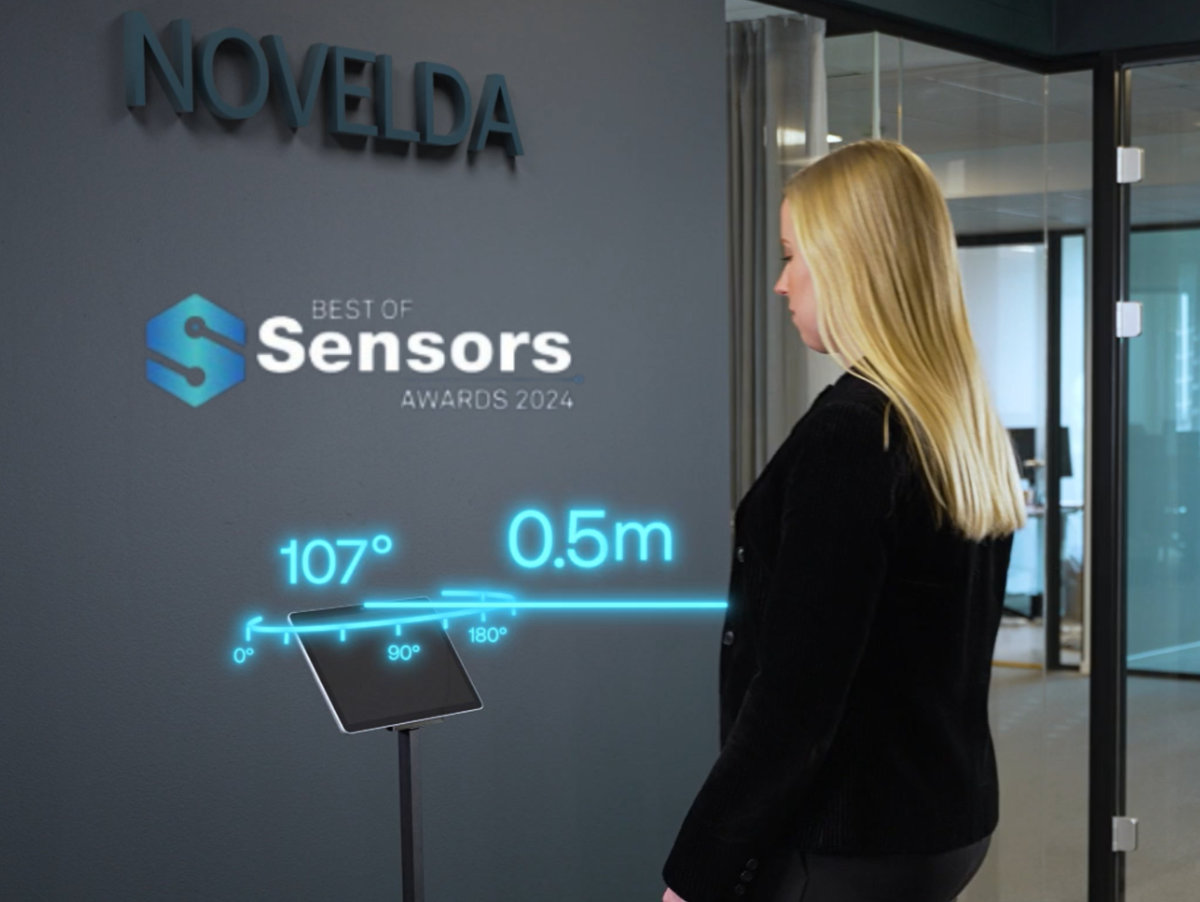
The result ended up winning the IoT Best of Sensors Award at Sensors Converge, the industry’s leading event.
Product Vision
Most office buildings today rely on fixed schedules or simple motion sensors to manage heating, ventilation, and air conditioning (HVAC). These systems often operate independently of how spaces are actually used, leading to unnecessary energy use and inconsistent indoor climates.
We imagined a different future, one where buildings respond to the presence and number of people in a room in real time. With more precise environmental control, it’s possible to reduce energy consumption significantly while improving air quality, comfort, and even the cognitive performance of those working inside. At scale, these small optimizations contribute to a much larger impact: lower energy use, healthier buildings, and smarter and better utilized office spaces.
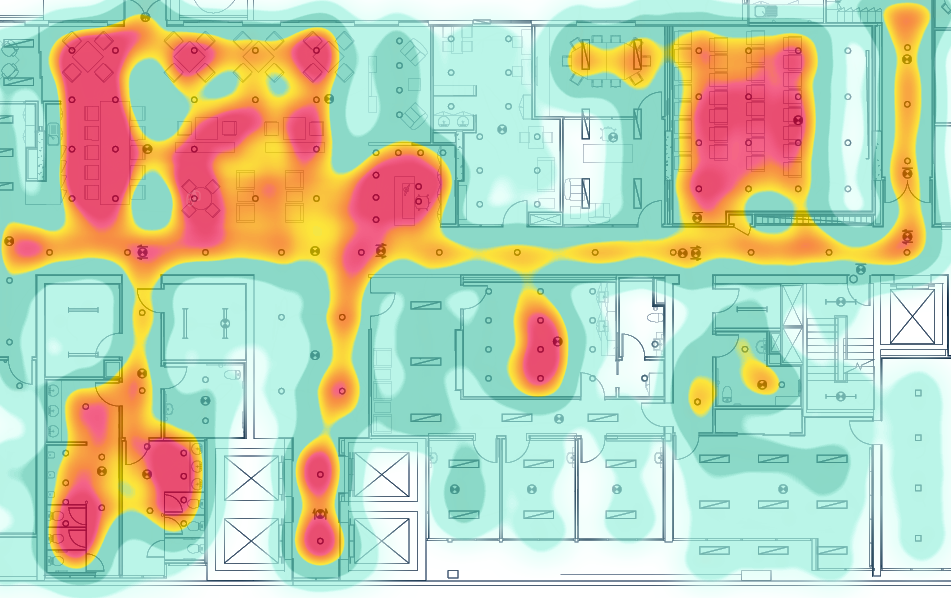
The X7 Ultra-Low Power Presence Sensor was designed with this future in mind. It combines high-resolution presence detection with very low power consumption, enabling it to run on battery-powered nodes across large installations.
But the potential of this sensor extends beyond HVAC. It also enables more intuitive interactions between people and devices, a concept known as proxemics, where a device adapts based on a person’s distance and motion trajectory. For example, a fixed touchscreen might stay off until someone approaches it, conserving energy and extending screen lifetime. Or it might adapt its interface depending on how close a user is, staying passive when someone merely walks by.
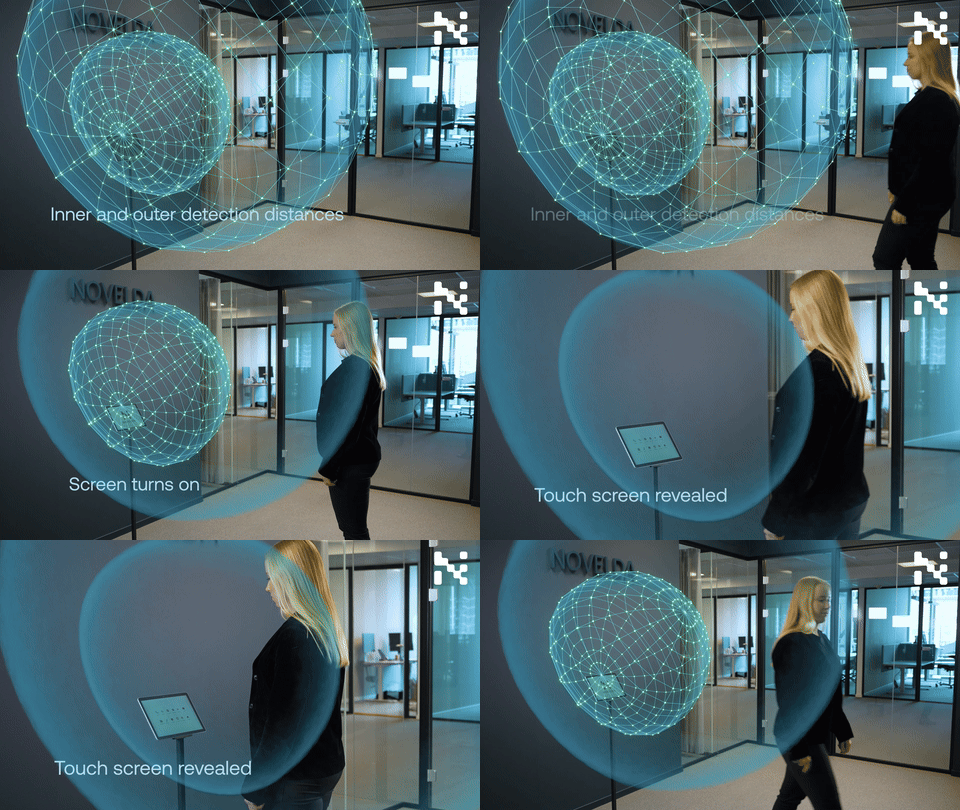
These kinds of spatial interactions open the door to a more responsive and respectful kind of technology, one that senses, but doesn’t intrude. That’s the vision behind the X7.
Constraints & Process
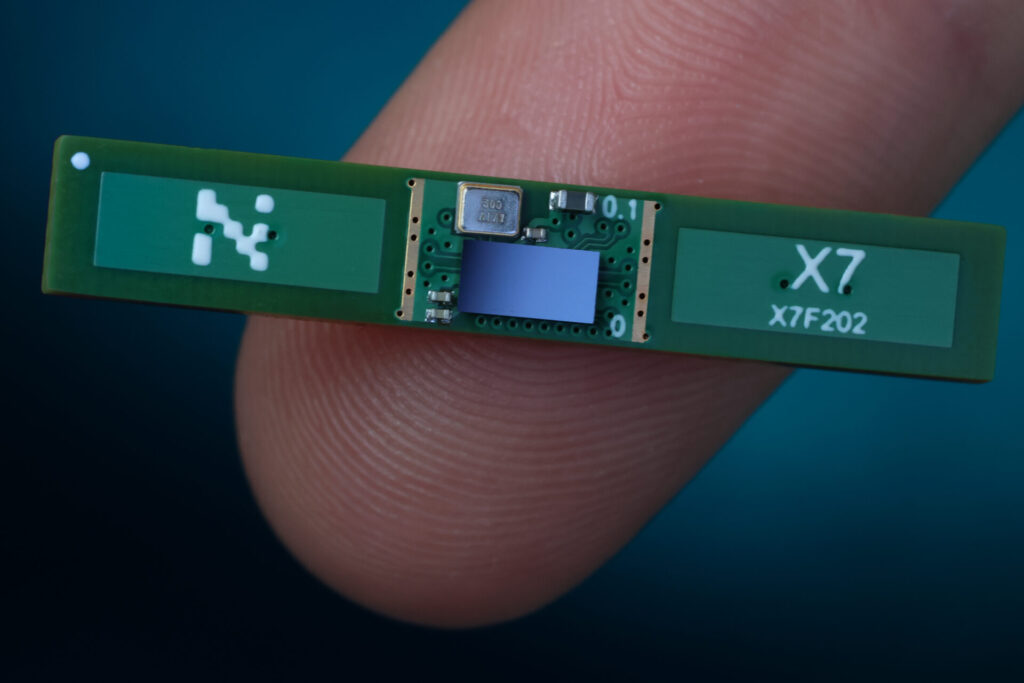
The X7 development was shaped by several fixed boundaries. Due to early hardware decisions, the sensor was limited to two antennas, enabling only 2D presence detection and restricting both range and customer problems that could be solved. Power, memory, and processing constraints further limited design flexibility. These constraints were inherited from architectural decisions made years before the product’s final use cases were fully understood.
Balancing performance, cost, and manufacturability required constant trade-offs. Hardware design cycles are long, and the lack of tight, ongoing feedback loops between technical and commercial teams introduced misalignments between what we were building and what the market eventually demanded.
Through customer interviews, data analysis, and prototyping, we defined the X7’s core features: low power consumption, high detection accuracy, and the ability to operate in a compact, embedded format. The final product was designed to integrate seamlessly into consumer and industrial applications where existing solutions fell short.
My contribution
I was part of the cross-functional team responsible for turning the X7 from a promising technology into a product ready for commercial deployment. My role focused on bridging technical development with clear market relevance, and ensuring that the product story resonated with both customers and internal stakeholders.
- I led the commercial product launch, coordinating messaging, marketing strategy, video production, and content development across a distributed team, on a very tight timeline.
- I defined and visualized the product vision, helping articulate UWB’s unique value across different use cases with a sufficiently large addressable market.
- I conducted market and competitive research to position the X7 clearly, with a focus on its strengths in power efficiency, spatial awareness, and presence detection accuracy.
- I introduced a structured customer discovery process that helped us validate assumptions and prioritize features based on real-world needs.
- I co-designed and mentored implementation of a 3D camera-based ground truth system to statistically validate detection performance, not only under controlled lab conditions, but also in diverse, real-world scenarios. By capturing both position and motion data of people in the field of view, we were able to compare actual movement against radar-based detection outputs. Using a simplified skeleton model and statistical tools we tracked true/false positive and negative rates, detection latency and varying performance based on the speed of the motion from the human body. This enabled a rigorous bench-marking and data collection while grounding product decisions in measurable user behavior
- To align the sensor’s coordinate system with the camera-based reference system, I integrated ArUco markers into the setup. This allowed us to calibrate spatial alignment visually and with high precision, enabling reliable correlation between radar signal data and the real-world movement of subjects.
- I contributed to brand visibility by ensuring the Novelda logo was integrated into the silicon layout, reinforcing ownership and identity at the hardware level.
- I helped align the work of engineering, marketing, and product teams, keeping our development efforts connected to clear customer outcomes.
While each of these contributions was part of a larger team effort, they reflect my focus on innovation validation, and that the solution needs to be relevant to the problems it aimed to solve.
Lessons learned
One of the most important lessons was the need for tighter synchronization between disciplines, particularly sales, business development, UX, firmware, and chip design. Each function carried a different perspective on value and feasibility, and aligning these early on was critical to avoid costly mismatches down the line.
We also saw the limitations of applying a rigid, hardware-oriented project model to software and firmware development. While hardware benefits from long-term planning and structured gates, embedded software evolves in response to shifting requirements and customer feedback. Applying the same waterfall methodology across the board reduced flexibility at exactly the stages where adaptability was most needed.
Another key learning was how early architectural decisions, even those that seem minor at the time, can strongly shape a product’s future capabilities. Small misalignments at the start can become major blockers later, especially in a fast-moving market. This underscored the importance of building tighter feedback loops between strategic and technical teams, and of maintaining product-level agility even in hardware-dominated projects.
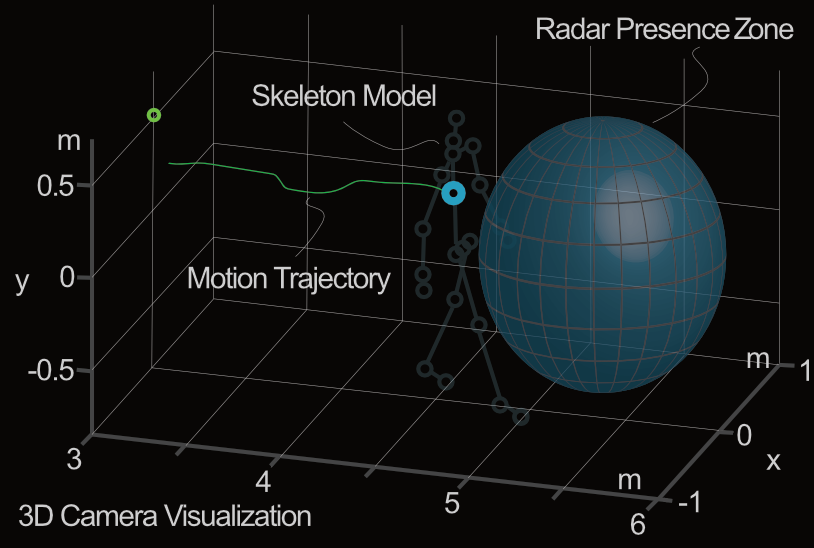
Lastly, the value of real-world validation couldn’t be overstated. By integrating a 3D camera-based ground truth system and aligning coordinate systems using ArUco markers, we were able to observe actual user behavior and test assumptions in context, not just in lab conditions. This provided a more grounded view of the product’s strengths and limitations, and helped shape a more realistic understanding of how it performed in the field.